
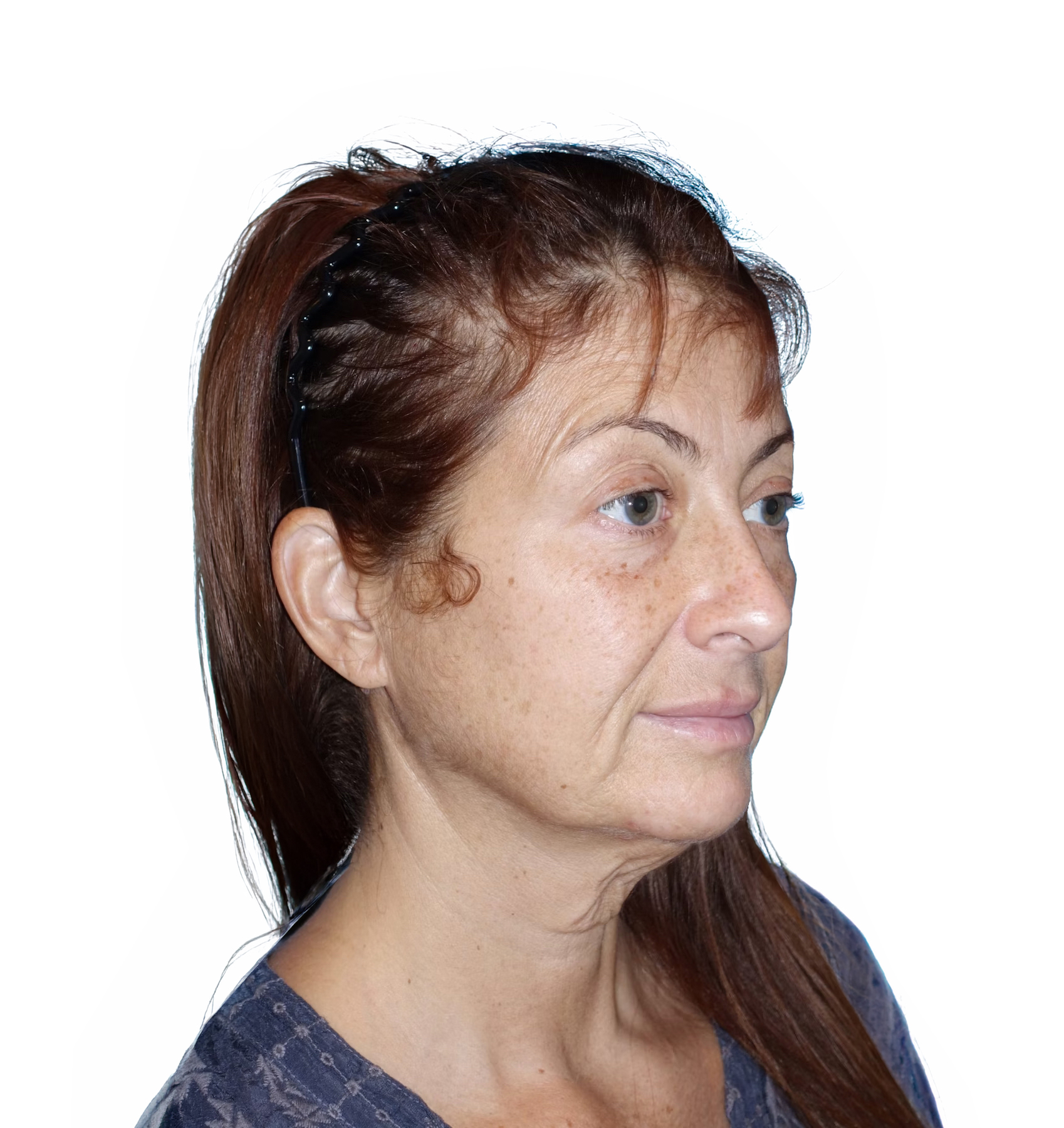
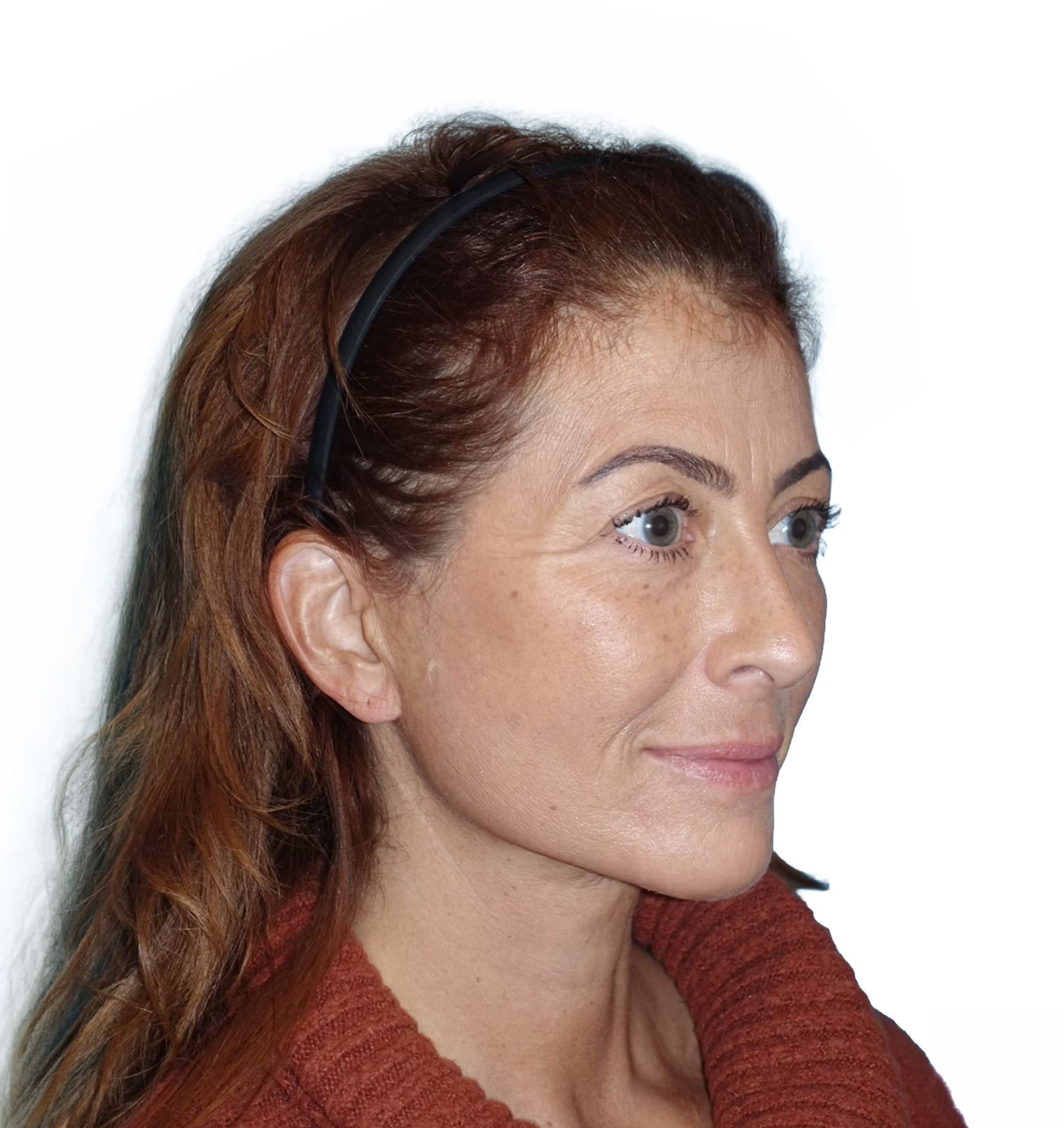
Rhinoplasty
Consultations offered at our four convenient locations in Boston, Wellesley, Westborough, MA and Beverly Hills, CA

At Ahn Point Center, we understand that the shape and proportions of your nose play a significant role in overall facial harmony. Under the guidance of Dr. Min S. Ahn, a double board-certified facial plastic surgeon, each rhinoplasty in Boston is approached with artistry, precision, and a deep respect for your individual features. Discover a refined, natural-looking outcome that complements your unique identity and instills lasting confidence.
Contents
- 1 About Rhinoplasty
- 2 Before and After Photos
- 3 Video
- 4 Rhinoplasty for breathing problems vs. cosmetic goals: what’s the difference?
- 5 Benefits
- 6 Candidates
- 7 Video
- 8 Types of Rhinoplasty
- 9 Preservation Rhinoplasty
- 10 Personalized nose job planning: what to expect
- 11 Rhinoplasty recovery timeline: week-by-week guide
- 12 Cost
- 13 Why choose Dr. ahnfor your nose job in Boston?
- 14 FAQ
- 15 Additional Resources Boston Rhinoplasty
About Rhinoplasty
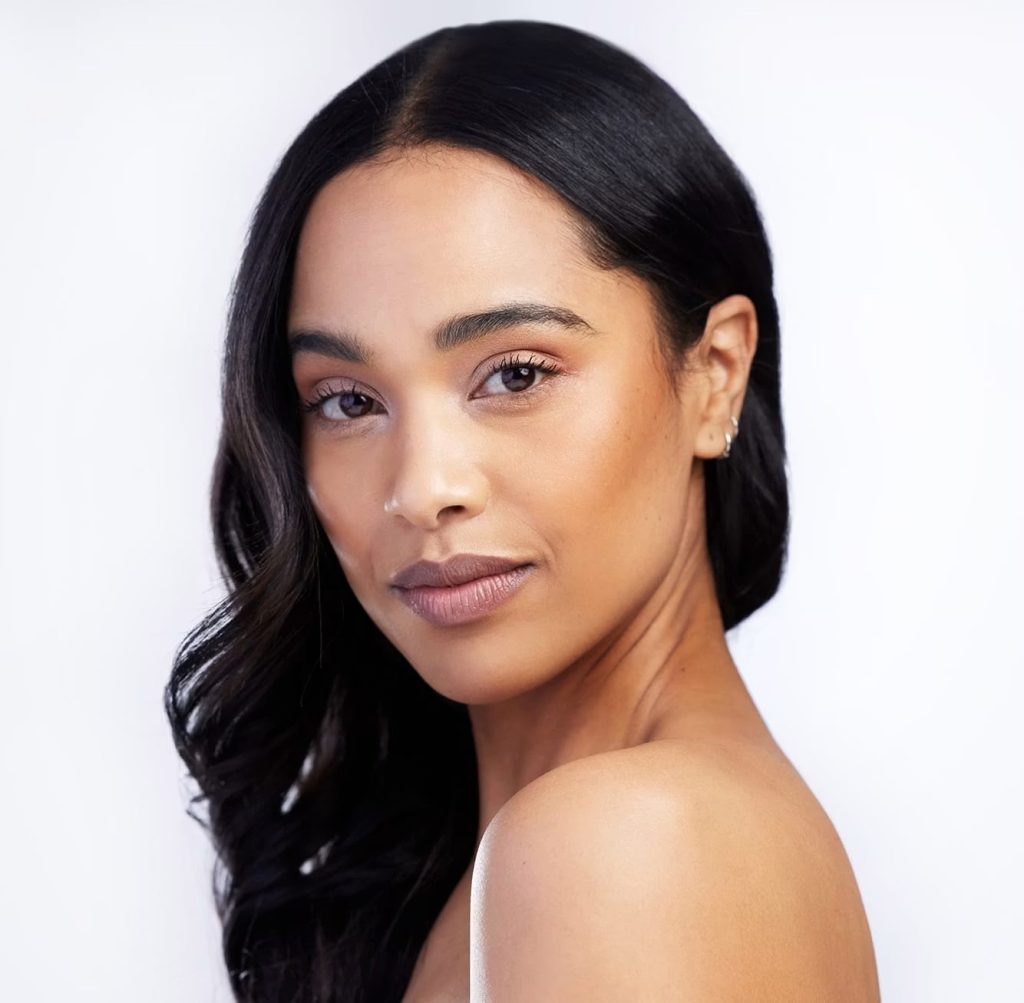
Rhinoplasty, better known as a nose job, is a surgical procedure focused on reshaping the nose to achieve better facial balance, improved aesthetics, or enhanced breathing function. This form of nose surgery involves adjusting the nasal bones, cartilage, and soft tissues to refine the nose’s size, angle, and contours.
Whether addressing a bump on the bridge, a bulbous tip, or structural issues that affect airflow, rhinoplasty can create a more harmonious profile tailored to your goals. By carefully evaluating your anatomy and understanding your aesthetic preferences, Dr. Ahn devises a personalized treatment plan. The result is a more balanced appearance that blends seamlessly with your other facial features.
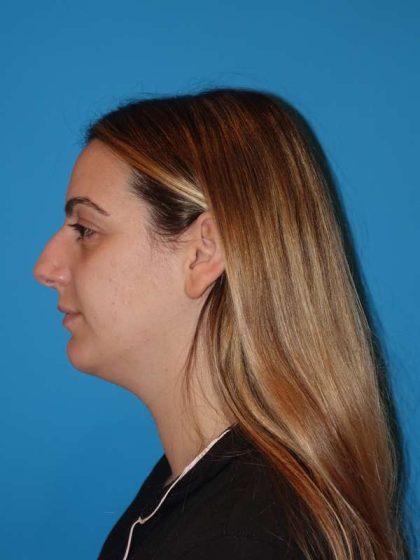
Before and After Photos


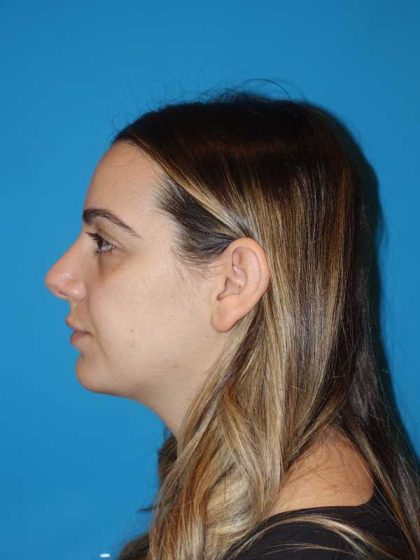
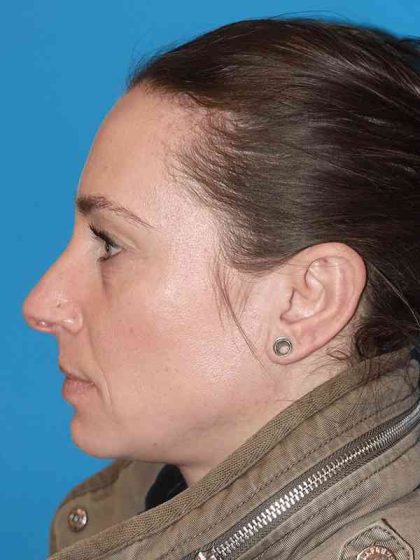
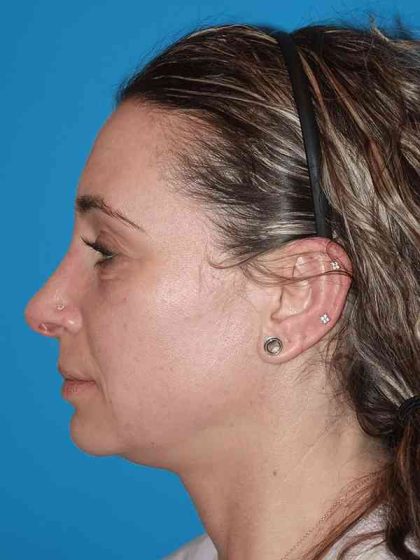
Video
Rhinoplasty Procedures
Dr. Min Ahn of Ahn Point Aesthetics speaks about the different rhinoplasty procedures they offer. They ensure you receive the procedure that is right for you.
Rhinoplasty for breathing problems vs. cosmetic goals: what’s the difference?
Rhinoplasty can be performed for cosmetic enhancement, functional improvement, or a combination of both. Understanding the difference between cosmetic and functional rhinoplasty can help patients determine which approach best aligns with their concerns and goals.
Cosmetic rhinoplasty focuses primarily on improving the appearance of the nose. Patients may wish to refine the nasal tip, smooth a dorsal hump, straighten asymmetry, reduce overall size, or improve facial balance. These procedures are elective and designed to enhance facial harmony while maintaining natural-looking results.
Functional rhinoplasty, on the other hand, is performed to improve nasal airflow and breathing. Structural issues such as a deviated septum, collapsed nasal valves, enlarged turbinates, or previous nasal trauma can contribute to chronic congestion and breathing difficulty. Functional rhinoplasty may involve septoplasty or other reconstructive techniques to restore proper nasal function while preserving or improving appearance.
In many cases, patients benefit from a combination of cosmetic and functional rhinoplasty. For example, someone seeking aesthetic refinement may also have breathing concerns that can be corrected during the same procedure.
Another important distinction is insurance coverage. Cosmetic rhinoplasty is generally not covered by insurance because it is considered elective. Functional rhinoplasty may qualify for partial insurance coverage if there is documented medical necessity related to breathing obstruction or nasal deformity. During your consultation, Dr. Ahn will evaluate your anatomy, discuss your symptoms and goals, and help determine the most appropriate treatment plan for your needs.
Benefits
Rhinoplasty offers numerous advantages for individuals looking to improve the form and function of their nose:
- Enhanced Facial Harmony: By refining the shape and size of the nose, rhinoplasty helps achieve better balance among all facial features.
- Improved Self-Confidence: Feeling more satisfied with your appearance can encourage greater self-esteem and ease in social or professional settings.
- Corrected Structural Issues: For those with breathing difficulties due to a deviated septum or other nasal obstructions, rhinoplasty can significantly improve airflow and respiratory comfort.
- Customized Results: Each rhinoplasty procedure is carefully tailored to the patient’s unique facial anatomy and aesthetic goals, ensuring a highly personalized outcome.
- Long-Lasting Improvements: Once healed, the refined nasal structure generally provides enduring enhancements that age naturally with you.
Candidates
Rhinoplasty may be an excellent option for patients seeking to improve the appearance or function of their nose. During your consultation, Dr. Ahn will carefully evaluate your anatomy, medical history, and aesthetic goals to determine whether our nose surgery in Boston is the right fit for you.
You may be a candidate if…
- Your facial growth is complete
- You are in good overall physical health
- You are a non-smoker or willing to stop smoking before and after surgery
- You have realistic expectations about surgical outcomes
- You are bothered by a specific cosmetic or structural nasal concern
- You experience breathing issues related to nasal anatomy
- You want a natural-looking improvement that complements your facial features
You may not be a candidate if…
- You have an active infection or an untreated medical condition
- You currently smoke and are unwilling to stop during the healing process
- You have certain medical conditions that may interfere with surgery or recovery
- You are seeking perfection rather than improvement
- You may be struggling with body dysmorphic disorder (BDD) or unrealistic expectations about your appearance
Video
6 Months After Rhinoplasty + Injectables
Six months after her rhinoplasty, this patient sits down with Dr. Ahn to share how the results have settled and how her confidence has grown. She also talks about her experience with injectables and how subtle changes made a big difference. This honest conversation gives a real look at life after surgery and the small tweaks that keep results fresh and natural. If you’re curious about what to expect months down the line or how injectables fit into the picture, this video is worth a watch.
- Six-Month Update: How rhinoplasty results have settled.
- Confidence Boost: Impact on self-esteem.
- Injectables: Maintaining subtle, natural results.
- Recovery Insights: What to expect post-surgery.
- Fresh Results: Role of minor tweaks in long-term outcomes.
Types of Rhinoplasty
At Ahn Point Center, we are experts in rhinoplasty in Boston. We recognize that every patient’s nasal structure, aesthetic goals, and functional needs are unique. As such, Dr. Min S. Ahn offers a variety of approaches, tailoring each procedure to ensure it harmonizes seamlessly with your individual features and aspirations. Understanding the differences between these techniques can help guide you toward the option that best aligns with your vision.
Open Rhinoplasty
Open rhinoplasty involves a small incision across the columella (the strip of tissue between the nostrils), allowing Dr. Ahn to lift the nasal skin and precisely visualize the underlying structures. This approach is often ideal for more intricate reshaping, as it provides greater access to cartilage, bone, and supporting tissues. The result is a refined and balanced transformation that suits more complex cases.
Closed Rhinoplasty
Closed rhinoplasty uses incisions hidden entirely within the nostrils, offering a more discreet surgical experience. This technique limits direct visualization of the underlying structures but can be highly effective for patients requiring subtle adjustments. Because there are no external incisions, swelling may subside more quickly, and you can often enjoy a shorter recovery period.
Revision Rhinoplasty
For individuals who have undergone nasal surgery in the past but remain dissatisfied with their outcome, revision rhinoplasty offers a second opportunity to achieve the desired aesthetic or functional result. Dr. Ahn’s experience and meticulous approach allow him to thoughtfully reassess the nasal framework, correct lingering irregularities, and restore balance and symmetry.
Functional Rhinoplasty
For patients experiencing breathing difficulties caused by structural issues, functional rhinoplasty addresses both form and function. In addition to refining the nose’s appearance, Dr. Ahn carefully corrects deviations, collapses, or blockages within the nasal passages. The result not only enhances aesthetics but also improves airflow and comfort, ensuring your nose looks and feels better.
Preservation Rhinoplasty
This modern technique focuses on maintaining essential support structures within the nose, promoting natural, long-lasting results. By preserving the nose’s innate architecture, Dr. Ahn can deliver subtle refinements that age gracefully and blend seamlessly with the rest of your face, ensuring you retain what makes your features uniquely yours.
Preservation Rhinoplasty vs. Traditional Rhinoplasty?
Many patients seek rhinoplasty because they have a hump on their nose. With traditional rhinoplasty, a plastic surgeon must shave down the bone and cartilage to smooth the bridge. In removing structural elements of the nose, this approach can disturb the framework of the nose. This then requires the surgeon to make additional surgical alterations to reinforce the bridge.
Preservation rhinoplasty is a technique that flattens a hump without necessitating so many changes to the structure of the nose. With this approach, Dr. Ahn can lower the nasal bridge while leaving all or most of the bony and cartilaginous structures on the bridge intact. Specifically, he makes precise surgical cuts in the bone and septal cartilage to create space so that the bridge and hump can be pushed down to achieve a smooth surface.
Personalized nose job planning: what to expect
At Ahn Point Center, your rhinoplasty journey begins with a personalized consultation. Dr. Ahn will assess your nasal structure, take photos, and use digital imaging software to help you visualize potential outcomes. This planning process sets realistic expectations and ensures your goals align with what can be safely and naturally achieved. Factors like skin thickness, nasal cartilage positioning, and the degree of correction needed all play a role in your final result.
During the procedure, anesthesia is administered to ensure your comfort. Incisions are made inside the nostrils or along natural creases to reduce visible scarring, and Dr. Ahn skillfully reshapes the bone and cartilage to achieve the desired contour. After surgery, most patients experience temporary swelling, bruising, and mild discomfort, which improve in the following weeks. With proper aftercare and follow-ups, you’ll enjoy refined, balanced results that enhance both appearance and confidence.
Rhinoplasty recovery timeline: week-by-week guide

Recovery after your rhinoplasty in Boston is a gradual process, with noticeable improvements occurring week by week as swelling subsides and the nose refines into its final shape. While every patient heals differently, most patients can expect the following general recovery timeline after rhinoplasty at Ahn Point Center.
Week 1
During the first week after surgery, mild swelling, bruising around the eyes, nasal congestion, and tenderness are common. A protective splint is typically worn to support the nose during the initial healing phase. Patients should prioritize rest, keep their head elevated, and avoid strenuous activity. Most discomfort is manageable with prescribed or over-the-counter medication.
Weeks 2–3
By the second and third weeks, bruising and much of the visible swelling begin to improve significantly. Most patients feel comfortable returning to work, school, and social activities during this stage. While the nose may still appear slightly swollen, the overall shape becomes more refined and balanced.
Weeks 4–6
Residual swelling continues to decrease, particularly along the bridge of the nose. Patients are typically cleared to resume more strenuous exercise and daily routines, although contact sports and activities that risk nasal injury should still be avoided. Incisions continue healing and become less noticeable over time.
Months 2–6
As healing progresses, the nose continues to settle and refine. Subtle swelling, especially around the nasal tip, gradually improves. Patients often notice increased definition and improved facial harmony during this phase.
6–12 Months and Beyond
Final rhinoplasty results become more apparent as all remaining swelling resolves. The nose continues to soften and refine, revealing a natural-looking result that complements the patient’s facial features. Attending follow-up appointments and carefully following Dr. Ahn’s aftercare instructions help support optimal healing and long-term results.
Cost
We believe that achieving your aesthetic goals should be as stress-free as possible. At Ahn Point, we offer several flexible payment options for your rhinoplasty procedure. We accept cash, checks, and major credit cards including MasterCard, Visa, and Discover.
For your convenience, we also partner with third-party financing companies, CareCredit and Cherry, which offer a variety of payment plans, including options with 0% interest for a limited time or extended payment terms. Please note, a 20% deposit is due when you schedule your surgery, with the remaining balance due four weeks before your surgery date. Contact us to learn more about our financing options.
Why choose Dr. ahnfor your nose job in Boston?
When it comes to something as central to facial balance as the nose, it is essential to trust a skilled expert who understands both the technical and artistic aspects of rhinoplasty. At Ahn Point Center, Dr. Min S. Ahn offers rhinoplasty in Boston with exceptional training and a refined aesthetic approach. His goal is to create results that look natural, complement your features, and enhance overall facial harmony.
With experience ranging from minor refinements to complex structural corrections, Dr. Ahn customizes each surgery using advanced techniques that preserve nasal integrity. His deep understanding of nasal anatomy allows him to anticipate challenges and deliver consistently beautiful results. Just as important, Dr. Ahn prioritizes patient education, ensuring you feel informed and confident at every stage of your rhinoplasty journey.
FAQ
How long does it take to see the final results?
Most initial swelling subsides within a few weeks, but it can take up to a year for subtle refinements to fully emerge. Patience is key as your nose settles into its new shape.
Will there be visible scars after rhinoplasty?
Incisions are typically placed inside the nostrils or in discreet locations. Over time, any faint scars usually fade, becoming minimally noticeable.
Can rhinoplasty improve my breathing?
Yes, if you have structural issues, like a deviated septum, rhinoplasty can be performed to enhance airflow, alleviating nasal obstruction and improving breathing comfort.
When can I return to normal activities?
Most patients resume light activities within a week or two, gradually increasing their level of activity as advised by Dr. Ahn based on their individual healing progress