Achieve Facial Harmony With Otoplasty

At Ahn Point Center in Boston, we specialize in otoplasty, or ear surgery, to enhance facial harmony. Led by Dr. Min S. Ahn, we use advanced techniques to reshape and reposition the ears for a balanced, natural look. Our goal is to make you feel comfortable and supported throughout every step of the process, from consultation to recovery, ensuring a personalized and stress-free experience.

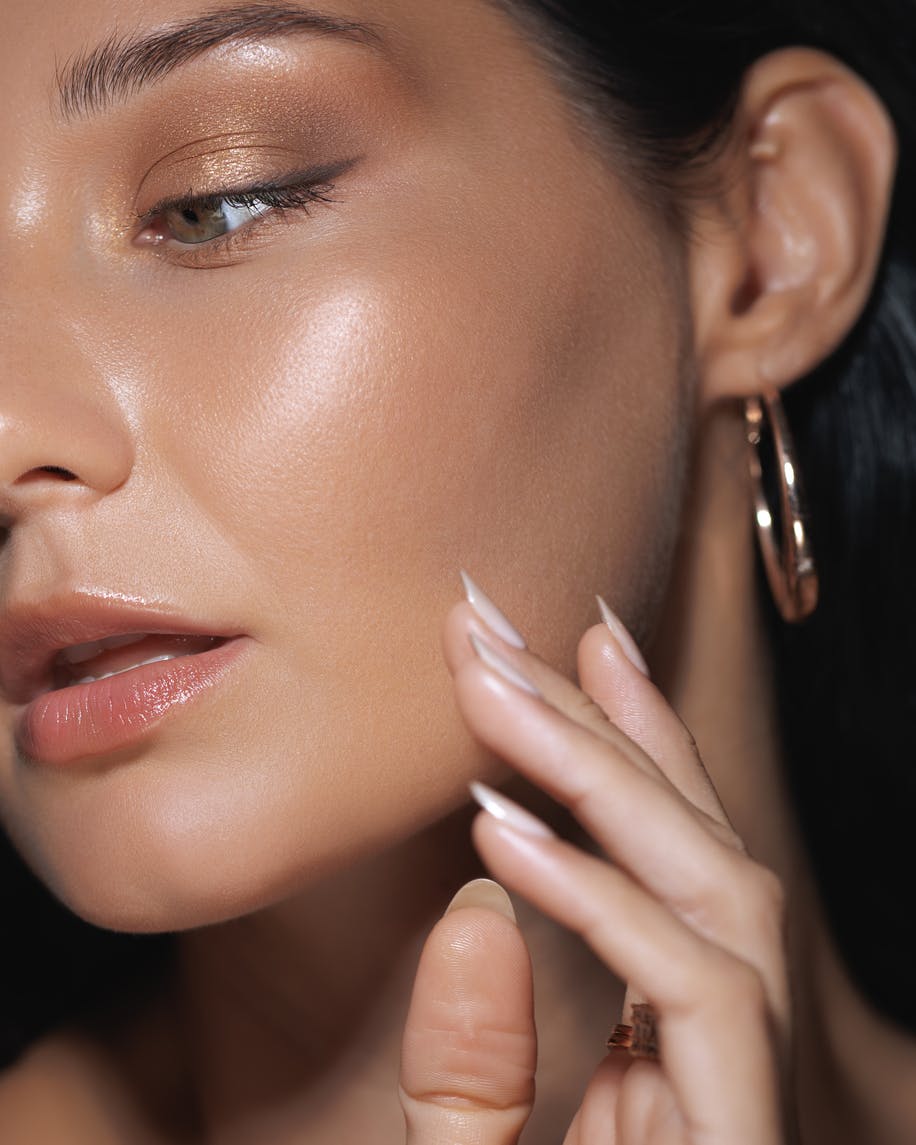
Woman in studio shoot with hair tied back shows off her ears. This is to emulate the potential results of an ear surgery in Boston with Dr. Ahn

What Is Otoplasty?

Otoplasty is a surgical procedure that reshapes, repositions, or reduces the ears to create better proportion with the face and head. It is one of the most effective solutions for prominent ears, ear asymmetry, and certain congenital or injury-related ear deformities. Unlike many cosmetic procedures, otoplasty produces permanent results, as once your ears heal into their new position, you can enjoy the improvement for a lifetime.

Ear surgery in Boston is performed on both children and adults. For children, Dr. Ahn typically recommends waiting until the ears have reached near-adult size, usually around age five or six, when cartilage is still pliable enough for optimal reshaping. Adults of any age can benefit equally from the procedure.

Types of Otoplasty Procedures

Otoplasty, or ear surgery, can be tailored to address a variety of concerns and achieve natural, balanced results. The specific technique depends on the patient’s anatomy, age, and desired outcome. Common types of otoplasty procedures include:

  • Ear Pinning (Protruding Ears): Repositions prominent ears closer to the head for improved facial symmetry.
  • Ear Reshaping: Corrects misshapen or asymmetrical ears, including congenital deformities like lop ear, cupped ear, or Stahl’s ear.
  • Ear Reduction (Macrotia): Reduces the size of ears that appear disproportionately large in relation to the face.
  • Earlobe Repair or Reduction: Addresses elongated or stretched earlobes, often caused by aging, genetics, or earrings.

Dr. Ahn customizes each approach to the patient’s unique facial features, ensuring results that are subtle, harmonious, and long-lasting.

Background media

Benefits of Otoplasty

Otoplasty offers a range of advantages for individuals seeking greater facial harmony and improved self-confidence:

  • Enhanced Facial Balance: By bringing the ears closer to the head or adjusting their shape, otoplasty creates a more proportionate look that complements your natural facial structure.
  • Improved Self-Confidence: Correcting prominent or uneven ears can help reduce self-consciousness and enhance your self-esteem, allowing you to feel more comfortable in social and professional settings.
  • Permanent Results: Once healed, the improvements achieved through otoplasty are typically long-lasting, providing enduring benefits without the need for frequent touch-ups.
  • Versatile Solutions: Whether you have congenital ear shape concerns, issues due to injury, or general dissatisfaction with their appearance, otoplasty can address a wide range of cosmetic ear problems.
  • Subtle, Natural Changes: Our approach prioritizes results that look authentic, preserving your unique features while improving symmetry and proportion.
Banner media
Woman in studio shoot with hair tied back shows off her ears. This is to emulate the potential results of an ear surgery in Boston with Dr. Ahn

Are You a Candidate for Otoplasty?

You may be an ideal candidate for an otoplasty in Boston if you:

  • Have ears that protrude more than 2 cm from the side of the head
  • Notice significant size or shape differences between your two ears
  • Are bothered by an ear deformity present from birth or caused by injury
  • Are in generally good health with realistic expectations about surgical outcomes
  • Are a parent of a child (five or older) whose ear appearance is affecting their confidence

During your consultation at Ahn Point Center, Dr. Ahn will examine your ear anatomy, discuss your aesthetic goals, and outline a personalized surgical plan tailored specifically to you.

Reviews media

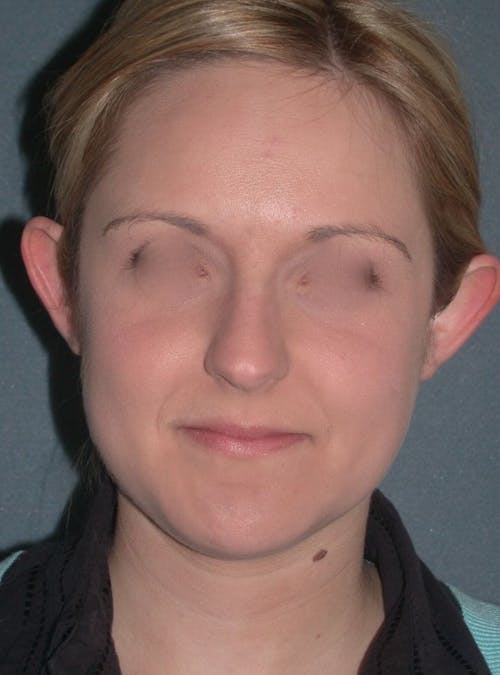
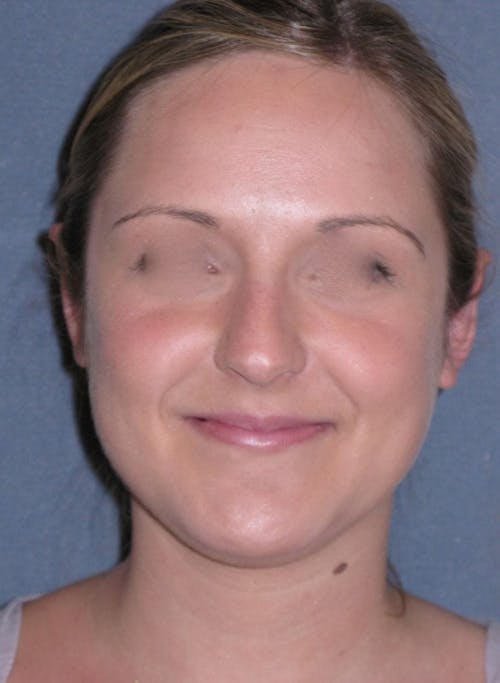
OtoplastyBefore & After

The Otoplasty Procedure

Otoplasty is performed using precise surgical techniques designed to reshape and reposition the ears while minimizing visible scarring. The procedure typically includes the following steps:

  • Anesthesia: Most adults receive local anesthesia with sedation, while children typically require general anesthesia for safety and comfort.
  • Incision Placement: Incisions are discreetly hidden behind the ears to avoid visible scars.
  • Cartilage Reshaping: The ear cartilage is carefully sculpted, folded, or repositioned to achieve the desired contour.
  • Suturing: Permanent or dissolvable sutures are used to maintain the new shape of the ears.
  • Closure and Dressing: The incisions are closed, and a protective bandage is applied to support healing.

The procedure usually takes 1–3 hours depending on the complexity and whether one or both ears are treated. Patients leave the office with the ears in their new position and a protective dressing to support recovery.

Recovery and Results

Most patients return to school or work within seven to ten days. A soft headband is worn for several weeks to protect the ears during sleep and activity. Swelling and mild bruising resolve within two to three weeks, and the final position of the ears is typically apparent by six weeks post-op.

Scars fade significantly over the first few months and are nearly invisible given their location behind or within the ear. Dr. Ahn and his team provide detailed aftercare instructions and remain accessible throughout your recovery to ensure optimal healing.

Banner media

Otoplasty in Boston: Recovery Timeline

Every patient heals at a different pace, but most people can expect a gradual improvement in swelling, tenderness, and ear sensitivity during the first several weeks after otoplasty. Dr. Ahn will provide personalized aftercare instructions based on your procedure and recovery.

First Few Days

The ears may feel tender, swollen, or sensitive immediately after surgery. A protective dressing or bandage helps support the ears as they begin to heal. Keeping your head elevated and following Dr. Ahn's postoperative instructions can help promote a comfortable recovery.

First Week

Swelling and bruising typically begin to improve during the first week. A follow-up appointment allows Dr. Ahn to check your healing and make sure the ears are settling properly. Many patients continue wearing a protective headband during this stage.

7–10 Days

Many patients are comfortable returning to school or work within about seven to ten days. Some residual swelling or sensitivity may remain, but the ears will continue to look more natural as healing progresses.

Weeks 2–3

Most everyday activities can gradually be resumed as directed by Dr. Ahn. Swelling and bruising continue to fade, and the new position and shape of the ears become increasingly apparent.

Weeks 4–6

The ears continue to settle into their new position. Depending on your individual recovery, you may be able to reduce or discontinue protective headband use according to Dr. Ahn's instructions.

Several Months

The ears continue to refine as swelling resolves and the incision lines mature. Scars typically become softer and less noticeable over time. Your final results become increasingly apparent as the healing process is completed.

Dr. Ahn and the Ahn Point Center team will guide you throughout your recovery and let you know when it is appropriate to return to specific activities.

Background media

Otoplasty for Children and Adults

Otoplasty in Boston can be performed for both children and adults, with the timing and surgical approach tailored to each patient's development, anatomy, and goals. Dr. Ahn takes the time to understand what each patient hopes to achieve and creates a personalized treatment plan.

Otoplasty for Children

Otoplasty may be considered once the ears have reached sufficient development, which is typically around age five or older. At this stage, the ear has developed enough for surgical reshaping while the cartilage remains responsive to correction.

Parents may consider ear surgery when a child's prominent or asymmetrical ears are affecting their confidence or making them feel self-conscious. The decision should be comfortable for the child, and Dr. Ahn will discuss the procedure and recovery in an age-appropriate way.

Otoplasty for Adults

Adults can also benefit from otoplasty, whether prominent or uneven ears have been a lifelong concern or have become more noticeable over time. Adult patients may seek treatment for:

* Prominent or protruding ears
* Uneven ear position or shape
* Large ears
* Congenital ear differences
* Changes resulting from injury
* Concerns following previous ear surgery

Because adult ear cartilage is more developed, Dr. Ahn carefully evaluates the structure and flexibility of the cartilage when selecting the appropriate surgical technique.

Personalized Otoplasty for Every Age

Whether you are considering ear surgery for yourself or your child, the goal is the same: to create natural-looking ears that complement the rest of the face. During your consultation, Dr. Ahn will evaluate the ears, discuss your goals, and recommend an approach suited to your individual anatomy and needs.

Treatments That Pair Well With Otoplasty

Our otoplasty in Boston can be combined with other facial procedures to achieve balanced, harmonious results:

Combining procedures allows Dr. Ahn to customize results for each patient’s facial anatomy, creating natural, proportional, and lasting outcomes.

Banner media

Cost & Financing

Otoplasty is considered an elective cosmetic procedure, so it is generally not covered by insurance. The overall cost at Ahn Point Center depends on:

  • The surgeon’s fee
  • Anesthesia fees
  • Facility costs
  • Whether one or both ears are treated and the complexity of the procedure

To make ear surgery more accessible, Ahn Point Center offers financing options that allow patients to plan their procedure and payments comfortably. During your consultation, we provide a transparent breakdown of costs so you can make an informed decision.

Background media

Patient Testimonials

Dr. Ahn is a truly Exceptional Surgeon and an Outstanding Doctor. He has made me feel so much better about myself and given me back my confidence. I look in the mirror and am Very Happy with the results. - Greg

If you are looking for the best, do not look any further! Dr. Ahn and his staff are amazing. From the moment I walked in the office, I felt welcomed. Their knowledge, professionalism and care is incredible! - Christine

Dr.Ahn and his staff are the best! Professional, great team and my results are more than I ever thought possible. I would recommend Dr.Ahn for any procedure you may be thinking of doing. Can't say enough! - Kathy

Read More Reviews media
Doctor media Doctor media Doctor media Doctor media

Why Choose Ahn Point Center for Ear Surgery in Boston?

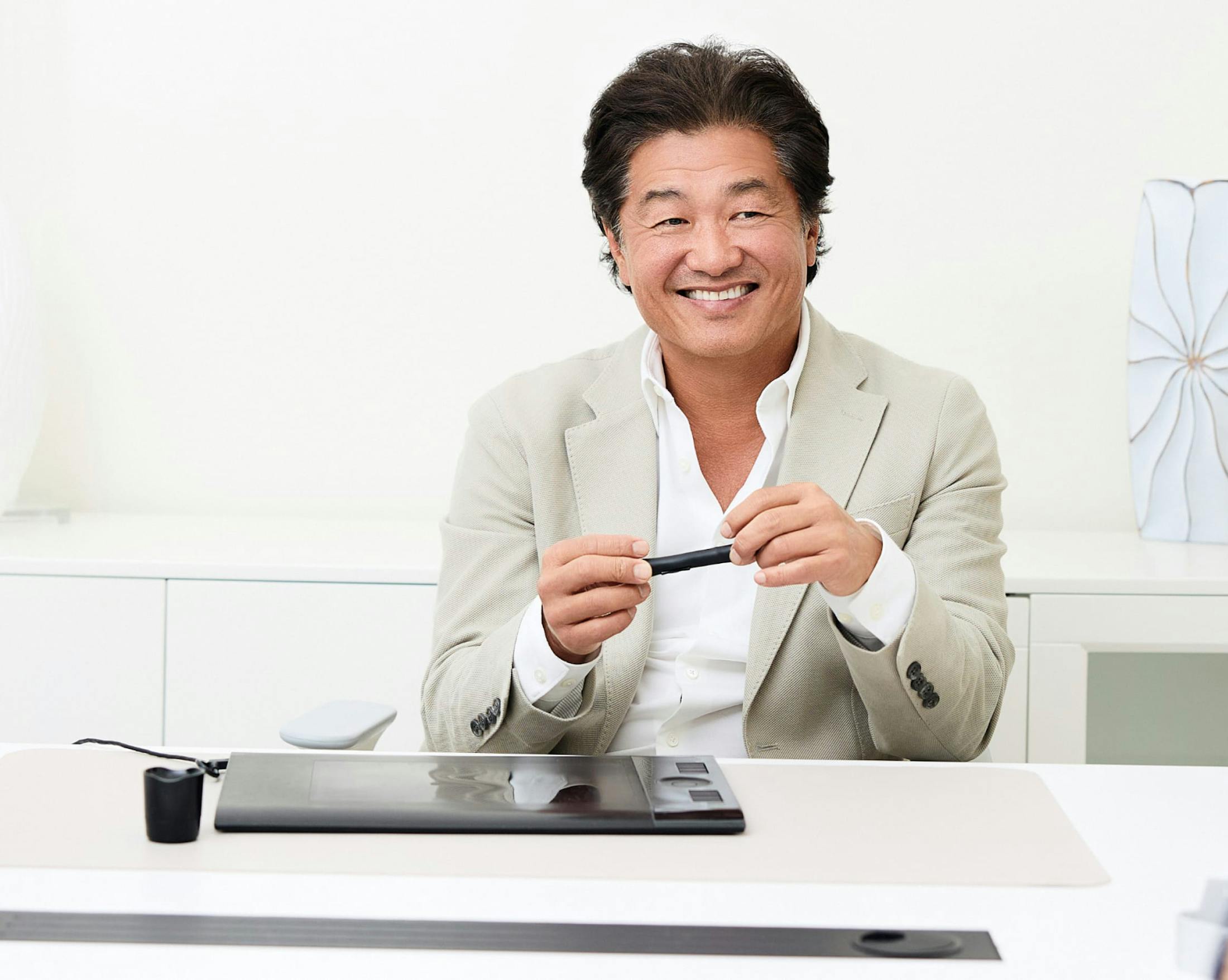
Dr. Min S. Ahn is a double board-certified facial plastic surgeon with a specialty focus on the face and neck, meaning every procedure he performs, including otoplasty, benefits from an exceptional depth of facial anatomical expertise. Patients across New England trust Ahn Point Center for personalized care, transparent communication, and results that look and feel natural.

Whether you're exploring Otoplasty in Boston for yourself or your child, we invite you to schedule a private consultation and discover what's possible.

Schedule a consultation today to learn more.

Otoplasty FAQs

What is the difference between otoplasty and ear pinning?

Ear pinning is a type of otoplasty designed to reposition prominent or protruding ears closer to the head. Otoplasty is a broader term that includes procedures to reshape, reposition, resize, or improve the symmetry of the ears.

Will my scars be visible?

Incisions are placed behind the ear or within natural ear folds. Scars are well-concealed and become minimally noticeable over time.

Can otoplasty be done on one ear only?

Yes. Dr. Ahn can perform the procedure on a single ear when only one side requires correction.

Is ear surgery safe for children?

Otoplasty is commonly and safely performed on children aged five and older. Dr. Ahn will evaluate your child's overall health and ear development to confirm the timing is appropriate.

Can adults have otoplasty?

Yes. Otoplasty can be performed on adults of many ages. Adults may seek ear surgery to address prominent ears, asymmetry, changes that have developed over time, or concerns that have been present since childhood.

Can otoplasty correct uneven ears?

Yes. Otoplasty can improve differences in the size, shape, position, or projection of the ears. Dr. Ahn will evaluate both ears and create a surgical plan based on your individual anatomy and goals.

How long does otoplasty surgery take?

Otoplasty typically takes about one to three hours, depending on the technique used and whether one or both ears are being treated. Your expected surgical time will be discussed during your consultation.

Is otoplasty painful?

Most patients experience some tenderness, pressure, or discomfort during the first several days after surgery. These sensations typically improve as healing progresses. Dr. Ahn will provide postoperative instructions to help keep you comfortable during recovery.

How long will I need to wear a headband after otoplasty?

A protective headband is commonly worn for several weeks after surgery, particularly while sleeping. The exact duration will depend on your healing and Dr. Ahn's postoperative recommendations.

When can I return to work or school after otoplasty?

Many patients can return to school or work within about seven to ten days, although recovery varies from person to person. Dr. Ahn will let you know when it is appropriate to resume specific activities based on your progress.

Are otoplasty results permanent?

Otoplasty is designed to provide long-lasting results. Once the ears have healed in their new position, the changes are generally permanent. Natural aging and other factors can still affect the ears over time.

Can otoplasty make large ears smaller?

Yes. Depending on the patient's anatomy and goals, otoplasty can include techniques to reduce the size of ears that appear disproportionately large. This is sometimes referred to as ear reduction or correction of macrotia.

When will I see my final otoplasty results?

You will notice a change in the position and shape of your ears soon after surgery, although swelling can temporarily affect their appearance. As healing continues, the ears gradually settle into their final position. Most patients see significant improvement within several weeks, with continued refinement as the scars and tissues mature.

What are the risks of otoplasty?

Otoplasty is generally well tolerated, but as with any surgery, potential risks can include infection, bleeding, temporary changes in sensation, asymmetry, or changes in the ear's shape or position. Dr. Ahn will review the potential risks and benefits with you during your consultation.

Can I combine otoplasty with other procedures?

Yes. Ear surgery is frequently combined with rhinoplasty, blepharoplasty, or other facial procedures. Dr. Ahn will discuss the best approach during your consultation.

Next Steps Schedule a Consultation

Take the next step by scheduling a private consultation with Dr. Ahn. He and our expert team will guide you toward natural, confidence-boosting results that reflect you.

Contact Us
Accessibility: If you are vision-impaired or have some other impairment covered by the Americans with Disabilities Act or a similar law, and you wish to discuss potential accommodations related to using this website, please contact our Accessibility Manager at (508) 426-8622.
* Some models featured are not patients.
Schedule a Consult